
PVPA Editorial
Animal Health · AMR · One Health · Research
Pakistan Takes Important Step Against AMR in Poultry: PVPA Congratulates Government, ICARS and Research Partners
A US$540,855, three-year research initiative led by the University of Agriculture Faisalabad will evaluate potential alternatives to antibiotics across 30 poultry farms.
Dr. Asim Mahmood Khan, Chairman, and the Executive Members, PVPA
Pakistan — 29 October 2026
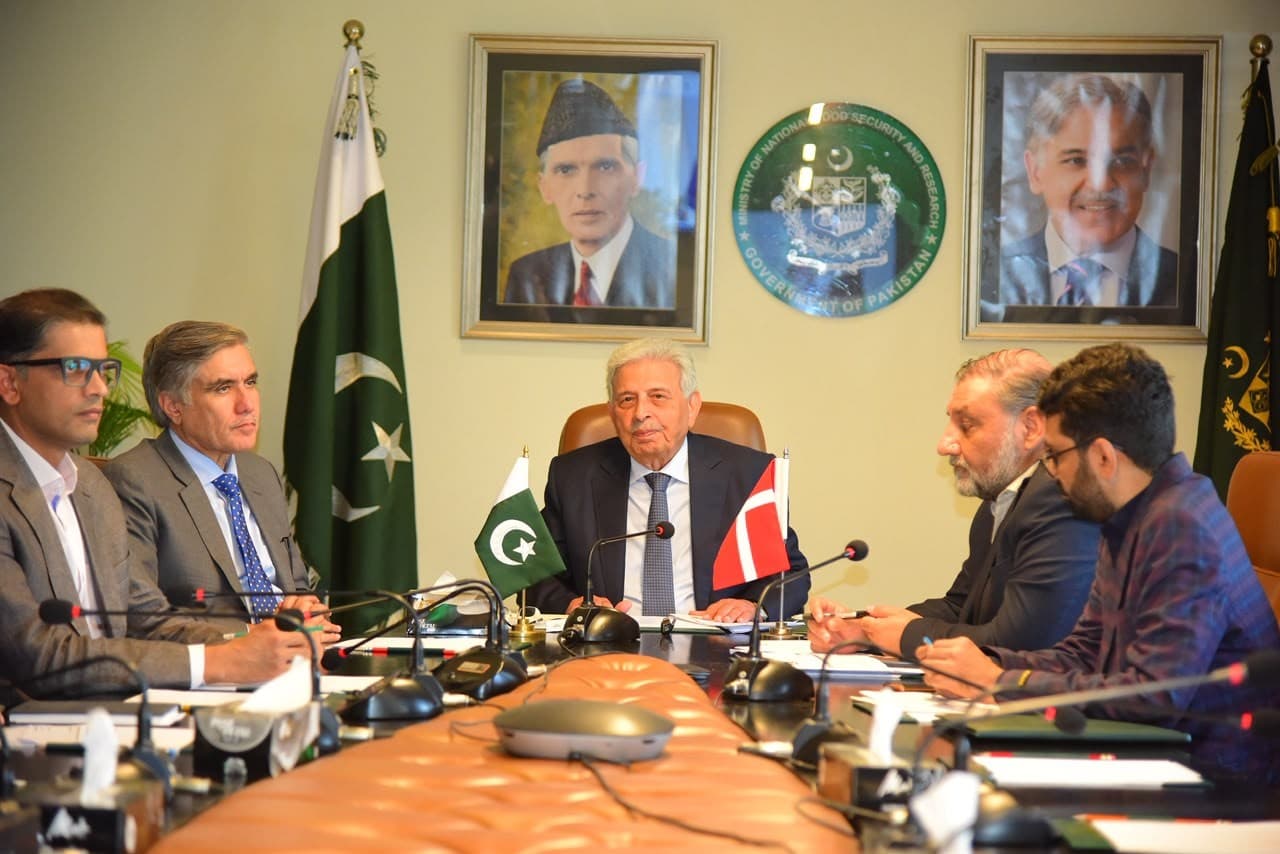
Pakistan's poultry and animal-health sector has taken an important step toward evidence-based antimicrobial stewardship with the signing of a Memorandum of Understanding between the Ministry of National Food Security & Research and the International Centre for Antimicrobial Resistance Solutions (ICARS).
The Pakistan Veterinary Pharmaceuticals Association (PVPA) is a custodian of food safety and food security. Dr. Asim Mahmood Khan, Chairman, together with the Executive Members, welcomes government initiatives and policies that serve this responsibility, and will work alongside the Government in carrying them forward.
A Significant National Step on AMR
In a press release dated 28 October 2026, the Government of Pakistan, through the Ministry of National Food Security & Research, announced an MoU with ICARS to combat antimicrobial resistance (AMR) in Pakistan's livestock and poultry sectors.
ICARS is providing US$540,855 for a three-year research project led by the University of Agriculture Faisalabad, with the Poultry Research Institute Rawalpindi as national partner. The work is aligned with Pakistan's National Action Plan on AMR and is framed as a One Health effort.
Federal Minister for National Food Security & Research Rana Tanveer Hussain emphasised responsible antibiotic use, scientific evidence, One Health, national food security and sustainable livestock and poultry production. He also stressed that research results should translate into practical benefits for farmers.
The Federal Minister specifically acknowledged the research contribution of Dr. Mashkoor Mohsin Gilani, Principal Investigator at the University of Agriculture Faisalabad, and his research team. Dr. Syed Muzammil Hassan Gilani was recognised for his role as Animal Health Technical Focal Person at the Ministry.
ICARS leadership emphasised the importance of generating evidence and of preparing successful approaches for possible national scale-up. Those are aims of the collaboration. They are not outcomes already demonstrated.
Key Project Facts
- Funding
- US$540,855
- Duration
- 3 years
- Farms
- 30
- Intervention
- 15 farms
- Control
- 15 farms
- Target
- ≥20% reduction in need for antibiotic treatment
- Research lead
- University of Agriculture Faisalabad
- International partner
- ICARS
- National partner
- Poultry Research Institute Rawalpindi
The 20 percent figure is the project target. It is not a result already achieved. Organic acids are a potential alternative under evaluation.
From Policy to Field-Level Evidence
The project will assess antibiotic use, antimicrobial resistance, poultry health and production performance, and it will include an economic evaluation of the alternatives under study.
Organic acids are being evaluated as a potential alternative to antibiotics. That evaluation is a scientific question for the trial to answer. Organic acids are not described here as an established replacement for antibiotics.
The project target is a reduction of at least 20 percent in the need for antibiotic treatment, without compromising poultry health or productivity. That 20 percent figure is a target to be tested. It is not a reduction already achieved.
Pakistan's poultry sector needs evidence generated in local production conditions. Findings from other countries can inform study design, but farm decisions, regulation and national scale-up depend on results that Pakistani researchers measure on Pakistani farms.
Why the 30-Farm Trial Matters
The study is a field-based randomized controlled trial on 30 poultry farms: 15 intervention farms and 15 control farms. A design of that kind allows researchers to compare a defined intervention with usual practice under real production conditions.
For poultry veterinarians, the trial matters because it asks whether a potential alternative can reduce the need for antibiotic treatment while health and productivity are maintained. For producers and farmers, it matters because an intervention that looks promising in a laboratory still has to survive feed, housing, disease pressure and cost.
For regulators and researchers, a controlled field comparison is a more reliable basis for later guidance than assumption or imported practice alone. The value of the trial will rest on the quality of its methods and on what the data eventually show.
Why This Matters to Pakistan's Animal Health Sector
Antimicrobial resistance cannot be addressed solely through regulation or through restrictions on antibiotic availability. Effective stewardship requires coordinated work across the institutions that shape how medicines are chosen, supplied and used.
PVPA considers this government–academia–international research collaboration important because the practical objective is a scientifically validated approach that farms can implement. A policy statement, a research protocol and a farm decision are different steps. This initiative is designed to connect them.
- Government
- Regulators
- Academia
- Research institutions
- Veterinarians
- Poultry farmers
- Veterinary pharmaceutical industry
- Diagnostic laboratories
- Feed and nutrition sector
- International research partners
The Veterinary Pharmaceutical Industry's Role
The veterinary pharmaceutical and animal-health industry has a direct role in antimicrobial stewardship. Responsible antimicrobial use does not mean simply reducing the availability of antibiotics.
It requires accurate diagnosis, veterinary oversight, appropriate drug selection, correct dosage and correct duration, together with the preventive system around the medicine: vaccination, biosecurity, disease prevention, diagnostics, farm management, nutrition, validated alternatives, surveillance, pharmacovigilance and farmer education.
PVPA offers this as the industry's constructive position in the national AMR conversation. Publication of this editorial does not place PVPA, its Chairman or its Executive Members inside the Government–ICARS project, and it does not authorise any person named here to speak for the Ministry, ICARS or the University of Agriculture Faisalabad.
- Accurate diagnosis
- Veterinary oversight
- Appropriate drug selection
- Correct dosage
- Correct duration
- Vaccination
- Biosecurity
- Disease prevention
- Diagnostics
- Farm management
- Nutrition
- Validated alternatives
- Surveillance
- Pharmacovigilance
- Farmer education
From Research to the Farm
The real value of the project will be measured by whether scientifically validated findings can be translated into a lower disease burden, responsible antimicrobial use, improved poultry health, maintained or improved productivity, economically viable farm practices and better farmer decision-making.
That standard reflects the Federal Minister's emphasis on research that reaches farmers. An economic evaluation is part of the design so that approaches which succeed under trial conditions can be considered for wider use on the basis of both health and cost.
Recognizing Scientific Leadership
PVPA also appreciates the scientific contribution of Dr. Mashkoor Mohsin Gilani, Principal Investigator of the project, whose leadership reflects the importance of connecting academic research with real-world challenges faced by Pakistan's poultry sector.
The Chairman and Executive Members congratulate Dr. Mashkoor Mohsin Gilani and the research team for undertaking a field-based study of a major animal-health and public-health challenge. His role as Principal Investigator is a scientific responsibility within the project. It does not give PVPA an official role in the Ministry–ICARS collaboration.
A One Health Opportunity for Pakistan
Antimicrobial resistance sits at the junction of animal health, human health, food safety, food security and environmental health. Resistant organisms and resistance genes do not remain inside a single profession or a single farm.
A poultry trial is therefore also a public-health and food-security question. Healthier flocks, fewer unnecessary treatments and safer food depend on the same chain of evidence: diagnosis, prevention, responsible medicine use and surveillance. One Health, in this setting, means those sectors working from a shared evidence base rather than from separate assumptions.
Official Photographs
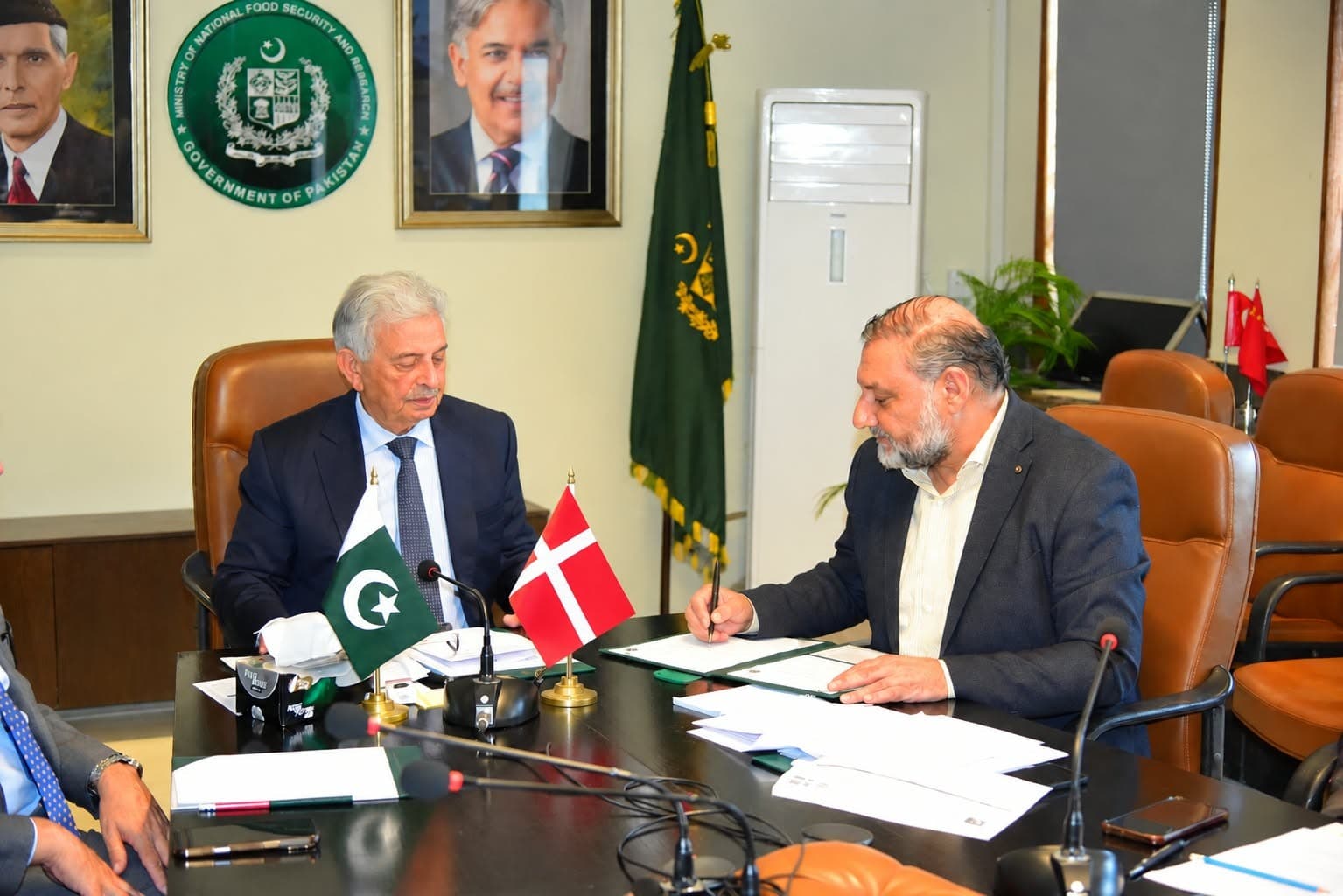
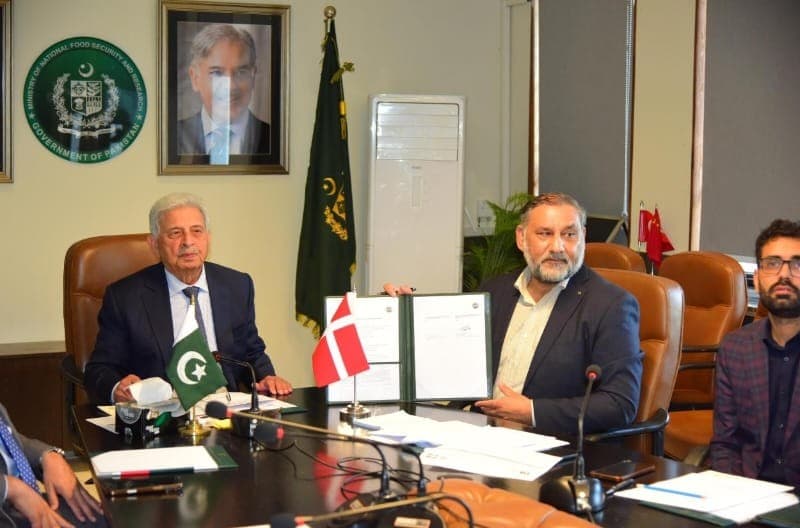
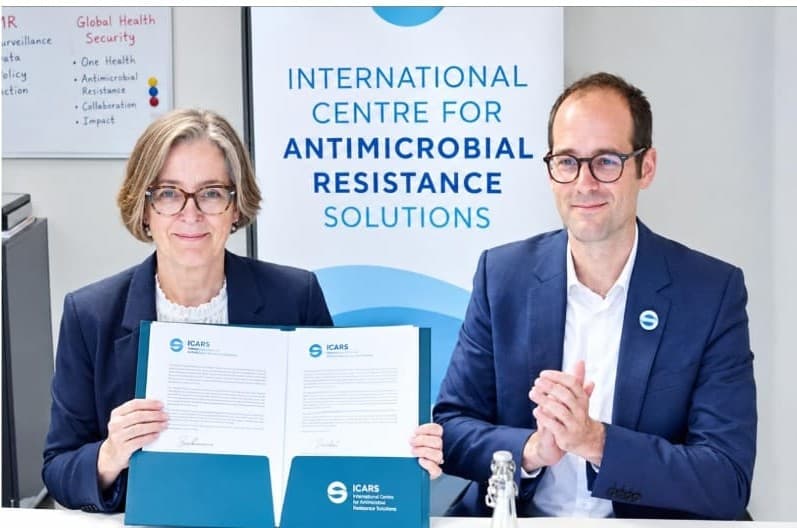
Pakistan needs stronger collaboration among government, academia, industry, veterinarians, farmers and international research organisations.
Evidence must move from the laboratory and the research protocol to the poultry farm, and from the poultry farm back into national policy. As a custodian of food safety and food security, PVPA will work alongside the Government on initiatives and policies that serve that purpose.
PVPA's publication of this news and editorial perspective is intended to highlight the scientific and sectoral significance of the initiative and does not constitute endorsement of any commercial product or treatment.
Source: Government of Pakistan, Ministry of National Food Security & Research, Press Release dated 28 October 2026. Photographs: Ministry Facebook post.
Related (AI-ranked)
- PVPA Congratulates Newly Elected Leadership and Executive Committee of Pakistan Poultry Association
Pakistan Veterinary Pharmaceutical Association extends its warm congratulations to the newly elected leadership and Executive Committee of the Pakistan Poultry …
- Flash: PVPA National Dialogue — "Harnessing Pakistan's Livestock Potential" — Chairman Dr Asim Mahmood Khan Represents Veterinary Pharma Industry
…the Prime Minister's Office, Islamabad, PVPA Chairman Dr Asim Mahmood Khan represented the veterinary pharmaceutical industry at the Government of Pakistan's Na…